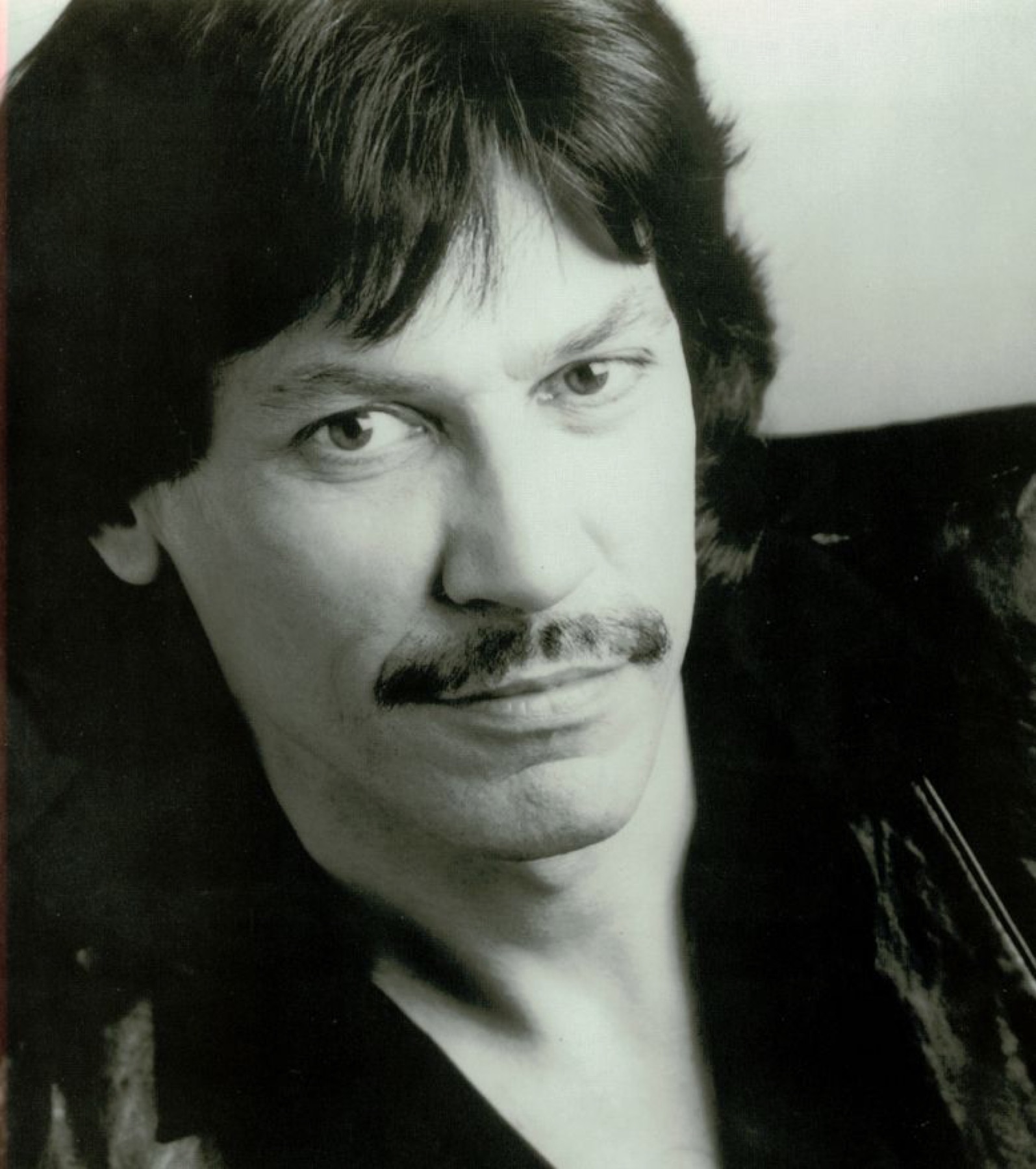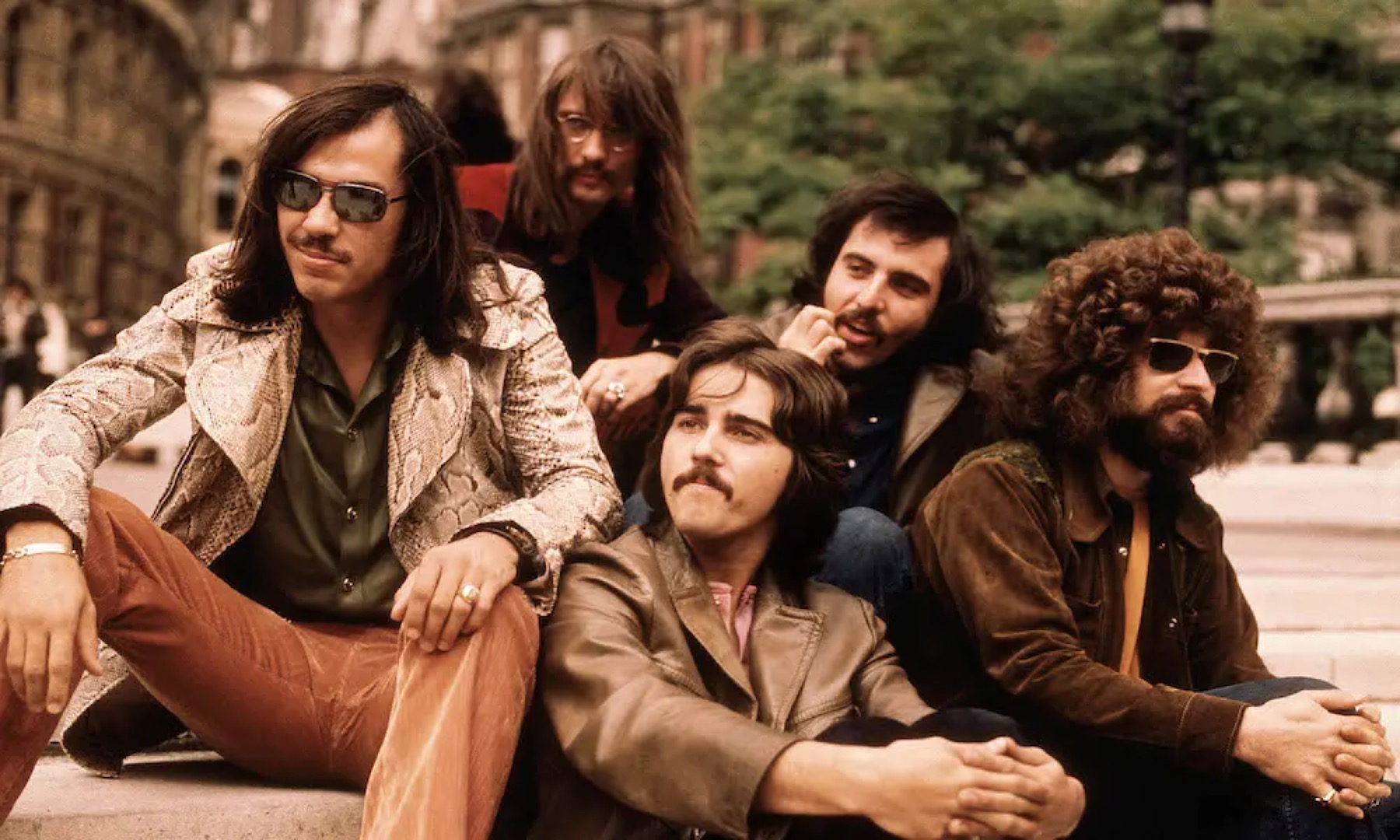
Steppenwolf, early 1970s
AI69 Production · Video Treatment

Desperation

A story about falling — and finding a reason to get back up.

Prepared for Steppenwolf
The Concept

Before they were legends, they were people

John Kay has described “Desperation” as a song that never got the recognition of “Born to Be Wild” or “Magic Carpet Ride.” But it was the one that brought him letters — from listeners who played it at their darkest hour.

That detail is the starting point for this film. It suggests that the true life of a song can't always be measured by how famous it becomes.

Some songs become anthems. They fill stadiums. They become part of popular culture. And some songs become something much more intimate — they exist in a hospital room, in a car late at night, in someone's bedroom, in the headphones of a person who desperately needs to hear something at that exact moment.

“Desperation” feels like one of those songs. We want to make a film about the people who exist on the other side of it — people who are falling, people who are lost, people trying to find a way forward, and ultimately, people who find a reason to stay.

For us, this is not simply a song about despair. It is about the moment a person reaches the edge of themselves — when the future becomes difficult to imagine, when the road ahead disappears. But the heart of the song isn't the fall. It's the question of what makes a person get back up. Sometimes it's inner strength. Sometimes it's hope. Sometimes it's another person. And sometimes it's something as simple and mysterious as a song arriving at exactly the right moment.

It doesn't matter how many times a person falls. What matters is how many times they find a way to get back up. And sometimes, they don't have to do it alone.

We do not want to make a conventional Steppenwolf biography. We want to tell the human story behind the legend — and then follow what that legend's music went on to do in rooms the man who made it never saw.

01–06

The Story

A boy in post-war Hanover; a Russian choir by candlelight
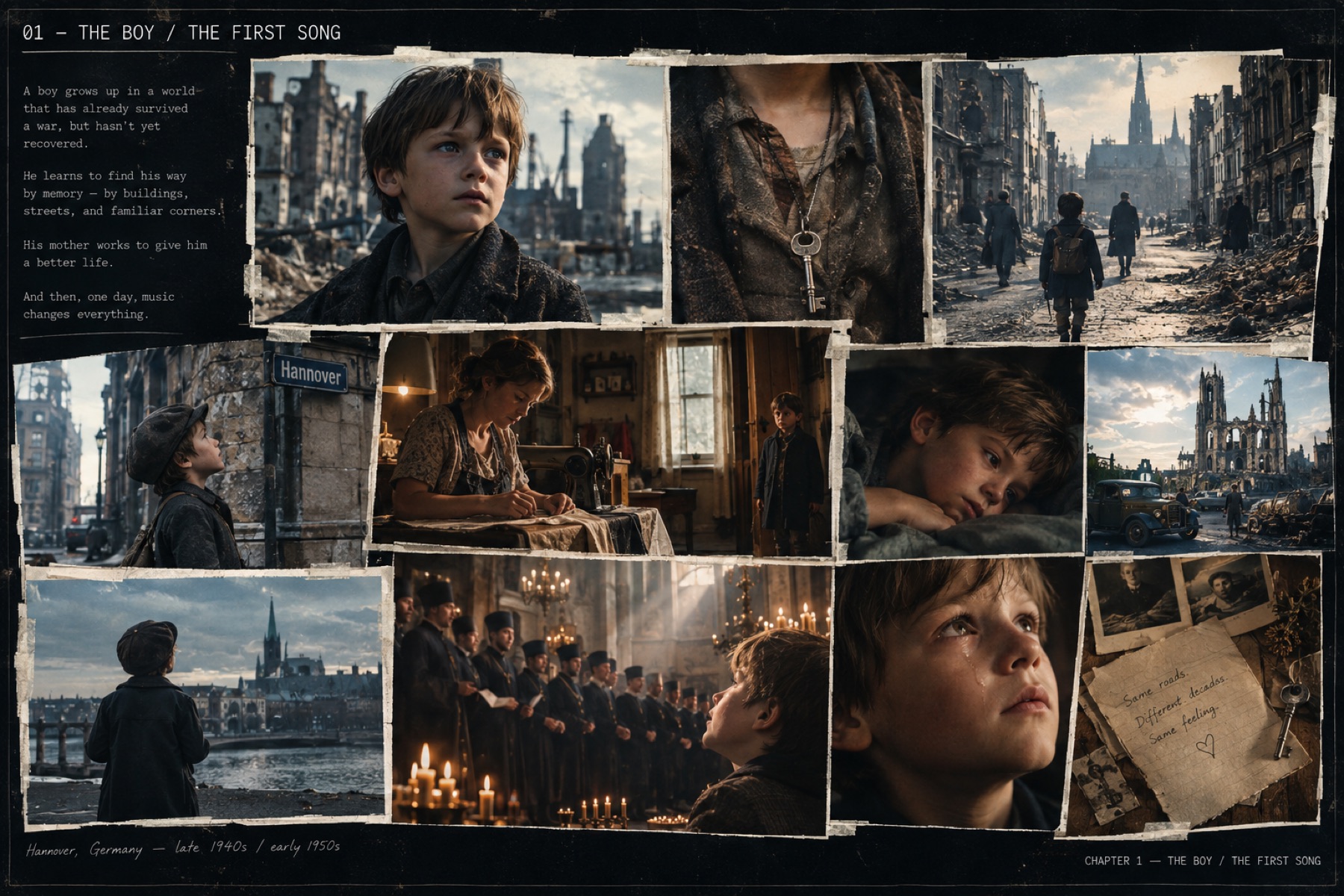
01

The Boy, The First Song

We do not begin with a huge stage. We begin with a boy.

John Kay grew up in post-war Germany with severe visual impairment. His mother worked as a seamstress in other people's homes, while he learned to navigate the streets around him by memorizing landmarks — a world that was already difficult to understand, and he had to learn how to find his way through it.

As a child, his mother took him to hear an all-male Russian choir. He didn't understand the language. But he understood the emotion — the music moved him to tears. It was his first real encounter with the power of music to connect with something inside a person, even when the listener doesn't understand the words.

Decades later, Kay would become the person whose music could do exactly the same thing for someone else.

Then the family emigrates to Canada. He is thirteen. A new country, a new language, a completely different world. “Considering I was only 13, legally blind, spoke the wrong language and was on the wrong side of the ocean,” he said, “maybe I was a little optimistic.”

A young musician on the road, on stage, and alone in a hotel room
02

From A Boy To Steppenwolf

The boy becomes a teenager. The teenager becomes a musician. The musician becomes part of something bigger. Steppenwolf begins to take shape. The small rooms become bigger rooms. The audience grows. The band becomes famous — then legendary.

But we deliberately do not romanticize this part.

Behind every legend are people. Success brings pressure. Fame brings expectations. There are changes, conflicts, departures, difficult periods and personal losses. The same people who once fought to find their place in the world now have to figure out how to survive inside something they helped create.

Because desperation does not disappear simply because a person becomes successful. It can exist behind the stage lights, inside a hotel room, inside a dressing room after the applause has stopped — inside the mind of someone who appears completely invincible from the outside.

The film keeps returning to this idea: everyone is trying to find their way.

John Kay reading old letters at home; a patient alone in a hospital room at night
03

The Box Of Letters

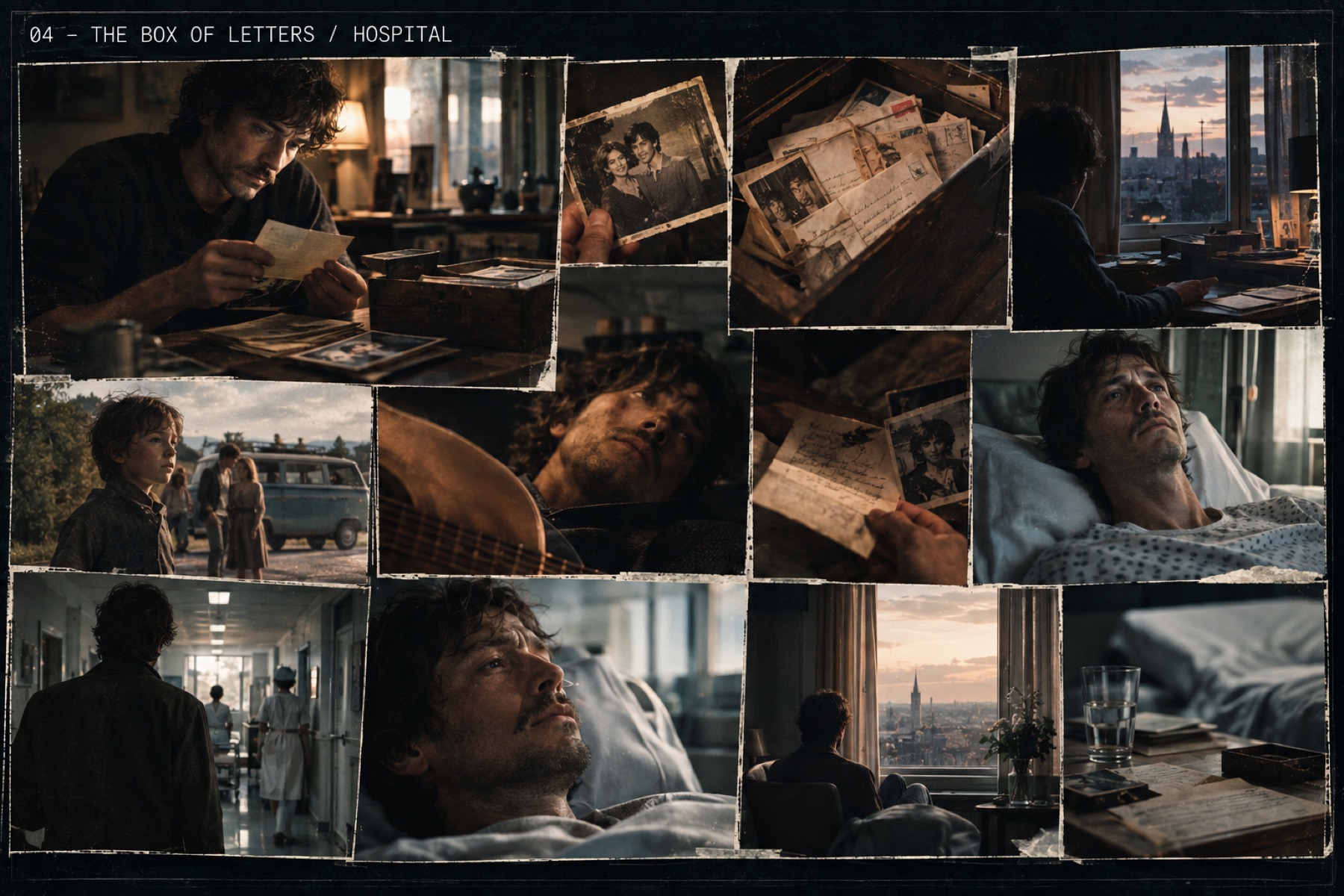
Years have passed. We meet John Kay later in life — not on stage, not surrounded by thousands of people. Just quietly at home. On a table is a box: old envelopes, letters, photographs, handwritten pages. Stories from people he has never met.

Kay opens one. He begins to read. And the film leaves him — the letter becomes a doorway.

A real story John Kay has recounted: a listener in a hospital with leukemia, introduced to Steppenwolf by an orderly. One song became his “daily tonic” — something that helped keep him going.

A quiet hospital room at night. The fluorescent light of the corridor slipping beneath the door. Machines. Footsteps. Silence. Then music — not as a magical cure, not as something that suddenly fixes everything. Just a small thread connecting one human being to the world outside the room. For a moment, they are somewhere else.

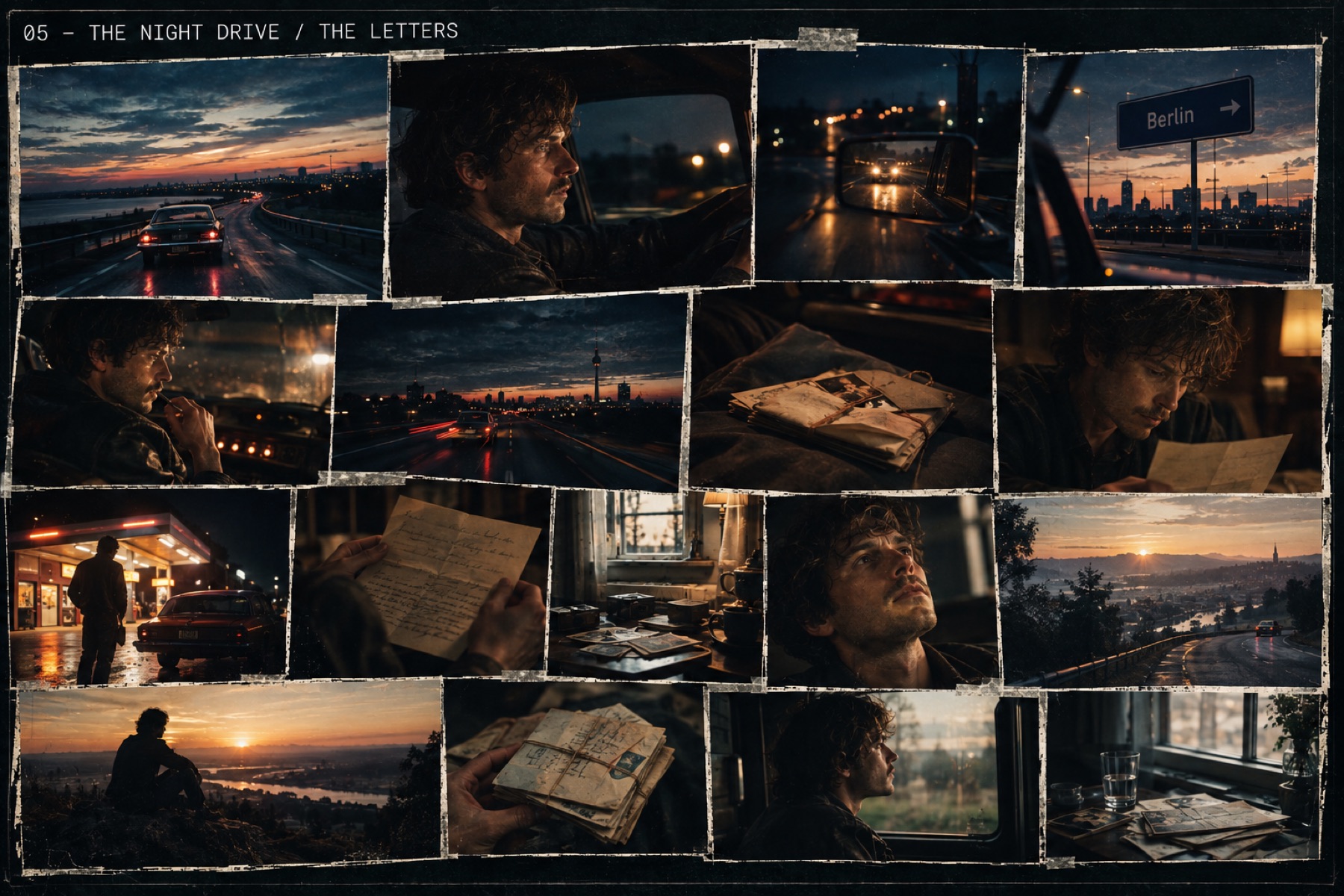
A car pulled over on an empty road at night
04

The Night Drive

Another real listener story John Kay has told is darker. A person was driving alone late at night, carrying a collection of pills they had already decided to take that night. At some point, they pulled the car over to the side of the road.

This moment should not be treated as a sensational suicide story. It is about the tiny space between one decision and another.

The song was playing. They sat there and listened to it — really listened, one more time. Something in it reached them. And by the time it ended, they had changed their mind.

They opened their hand and let the pills fall into the dark outside the window. The car started moving again.

Nothing about the world had changed. But one person had.

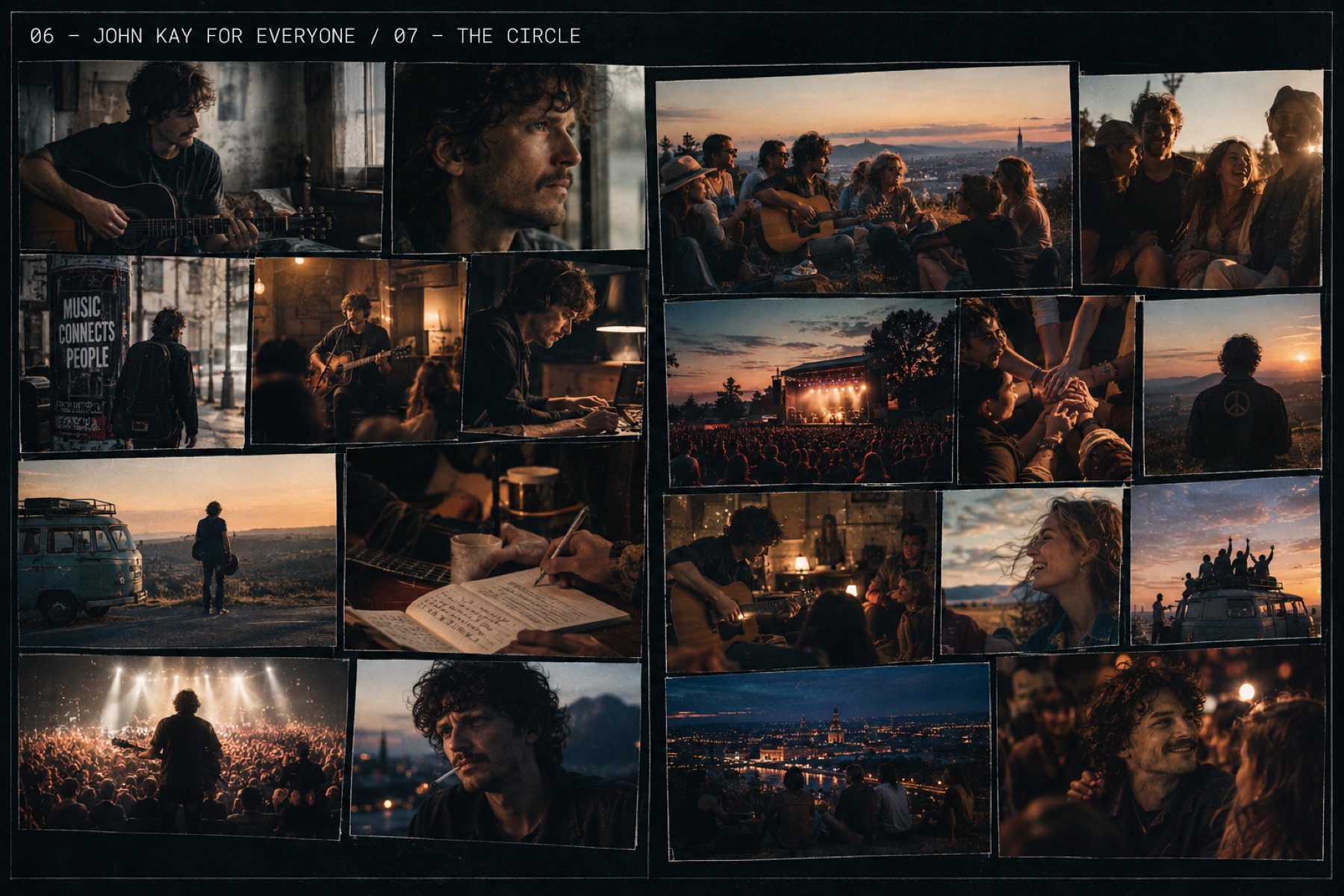
Strangers gathered around music at dusk, a crowd at a show, a circle of hands
05

The Connection

The stories begin to connect. The boy in post-war Germany. The teenager arriving in a foreign country. The musician trying to find his voice. The band becoming a legend. The person struggling behind the success. The listener alone in a hospital room. The person sitting in a car late at night.

Different countries. Different decades. Different lives. But the same fundamental human experience: trying to find a reason to keep going.

This is where the film moves beyond biography. It is no longer only about John Kay. It is about what happens when something created by one person becomes part of another person's life.

John Kay once experienced music as something that could reach into the deepest part of a person. He later became the person creating that experience for others. Those people then wrote back. Their stories eventually returned to him. One person creates. Another person listens. Another person survives. And then, somewhere else in the world, someone else needs the same thing. Music becomes the thread connecting them.

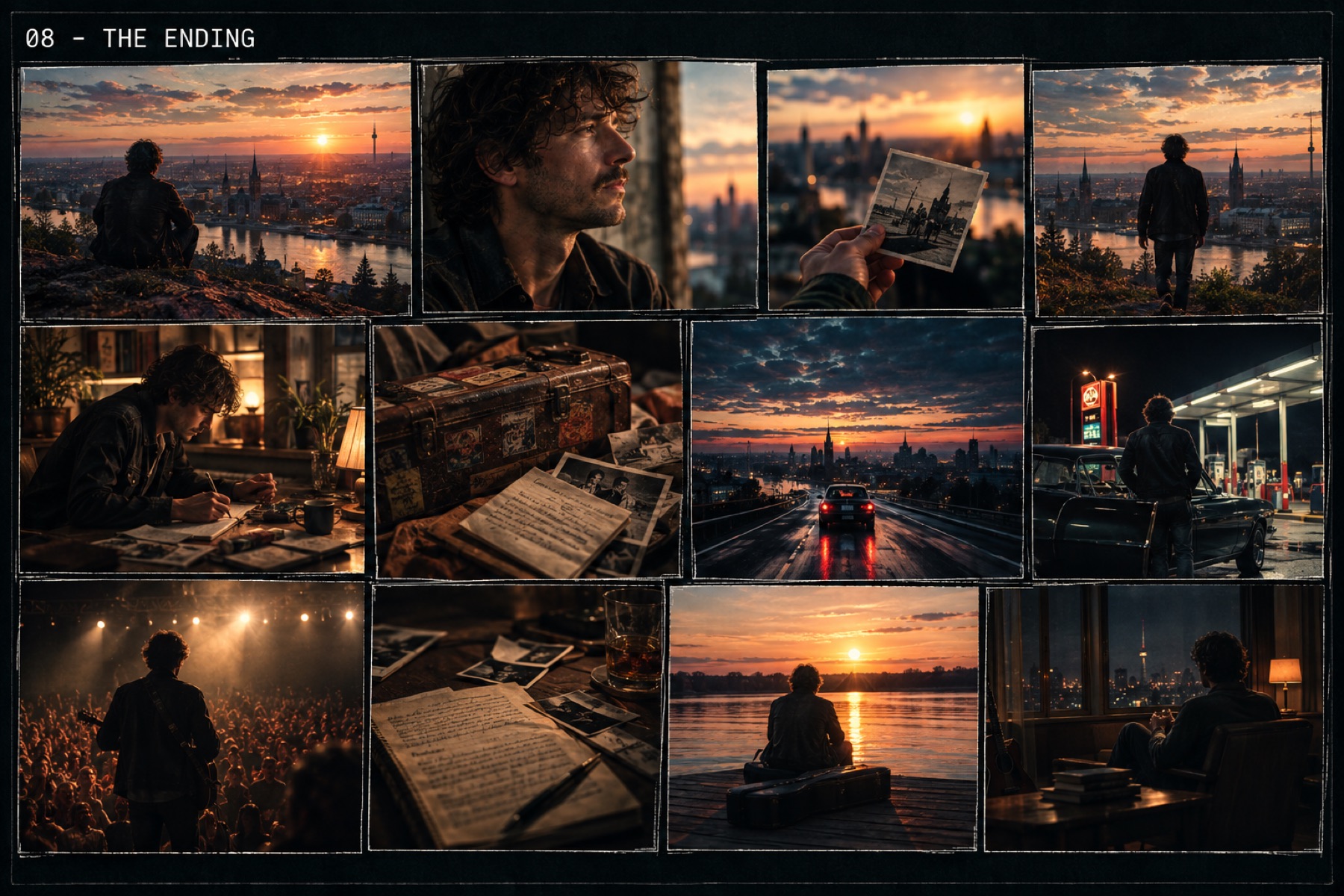
John Kay closing the box of letters at sunset; a stranger alone at night with headphones
06

The Ending

John Kay finishes the final letter. He sits quietly for a moment. He folds the paper, places it back inside the box, closes the lid. We stay with him. No dramatic reaction. No explanation. Just a man sitting with decades of lives that somehow crossed his own.

Then — cut to the present.

An unknown listener. No name. No biography. No explanation. Alone at night — maybe in a parked car, maybe walking home, maybe lying awake in a dark apartment. We don't know what happened to them. We only understand one thing: they are lost.

They put on headphones. They open their phone. They stop for a moment. Then press play. “Desperation” begins — the same song that once lived on vinyl, now traveling through headphones. A completely different generation. The same human need.

We do not know what happened yesterday. We do not know what will happen tomorrow. But for this moment — they are not alone.

Frames We'll Chase

Key visual moments

The Choir

A boy in a candlelit hall, moved to tears by a language he doesn't understand — his first encounter with what music can do to a person.

The Box

Decades of yellowed envelopes and handwritten pages, opened one at a time at a quiet table — each one a doorway into a stranger's life.

The Hospital Window

A patient alone at night, the city glowing beyond the glass, a song arriving as a small thread back to the world.

The Roadside

A car stopped on an empty highway. A hand opening. Something small and irreversible disappearing into the dark.

The Circle

Strangers under one song, at a show, around a fire, in a crowd — the same feeling passed from one person to the next.

The Play Button

A stranger today, headphones on, thumb pausing over the screen — the same need, in a body the song's author will never meet.

John Kay
Where The Film Travels

The emotional arc

Lost→ Desperate→ Reaching→ Connection→ Release→ Continuing

This is not a film about how Steppenwolf became a legend. And it is not even primarily a film about John Kay. It is about what happens to music after it leaves the person who created it.

Songs continue living in places the artist will never see — in hospital rooms, in cars in the middle of the night, in bedrooms, in headphones, in the lives of people whose names the artist may never know.

The real life of a song begins after it leaves the person who created it. One person says something through music, and another person hears it at exactly the moment they need to hear it.

John Kay was once a boy trying to find his way through an unfamiliar world. He became the voice of a band whose music reached millions. And decades later, people were still writing back to tell him where that music had found them.